Comparing Facebook Ads Google Ads: Which is Better for Your Business
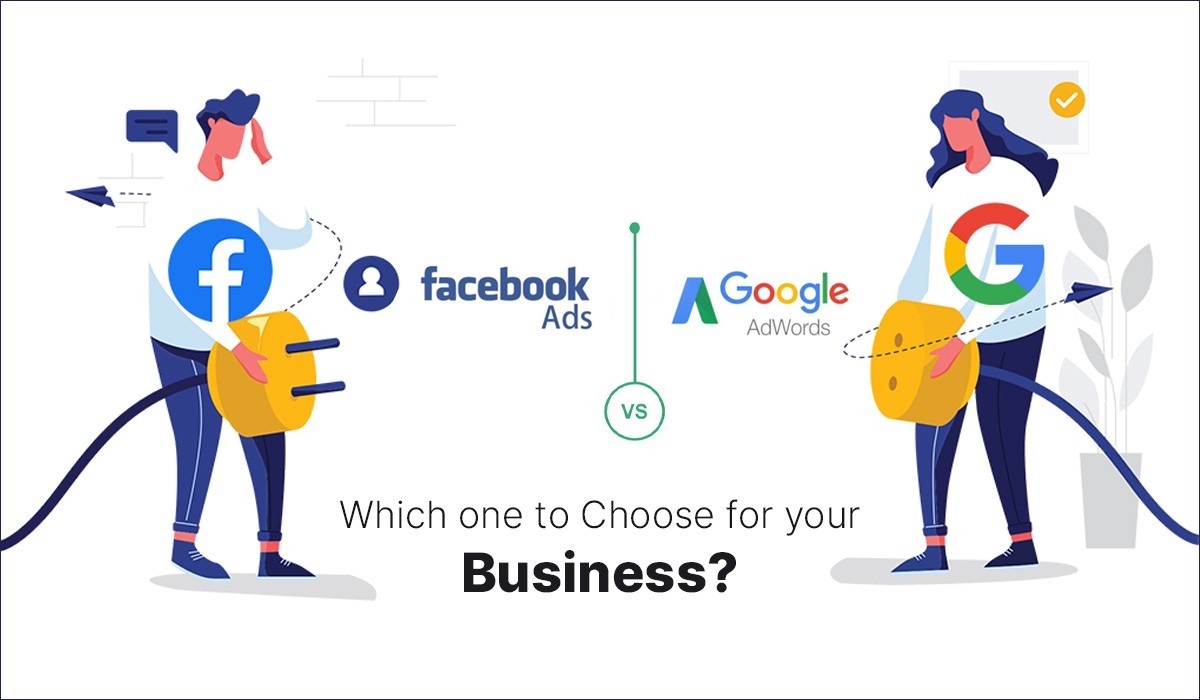
Advertising online is vital for any business wanting to grow in today’s world. It helps reach more customers and increase sales. Two top platforms for online Facebook Ads and Google Ads. Both have unique strengths, but which one fits your business best? Picking the right platform depends on your goals, audience, and budget. Facebook vs Google Ads: Performance Breakdown for 2025 This guide will compare these two giants to help you make a smart choice.

Understanding Google Ads and Facebook Ads
What Are Google Ads?
Google Ads works mainly by showing your ads when people search on Google or browse websites in the display network. It’s like putting a billboard on a busy highway—your ad appears where people are actively looking for what you offer. You can target keywords people type in, create shopping ads for products, or show remarketing ads to visitors who left your site. Many businesses use Google Ads to attract high-intent shoppers who are ready to buy.

What Are Facebook Ads?
Facebook Ads run across Facebook, Instagram, Messenger, and other social apps. It’s more about discovery and engagement. With Facebook Ads, you target audiences based on age, interests, behaviors, and more. You can choose to run campaign types like photo ads, videos, carousel ads, or even stories. It’s a powerful way to build brand awareness, connect with customers, and boost social engagement.
Key Differences at a Glance
| Aspect | Google Ads | Facebook Ads |
|---|---|---|
| Focus | Search intent | Social discovery |
| Audience Targeting | Keywords, remarketing | Demographics, interests |
| Cost Model | CPC, CPM, CPA | Bidding via ad auction |
| Main Use | Lead generation | Brand building |
Audience Targeting and Reach
Google Ads Audience Targeting
Google reaches users when they search for specific terms. For example, someone searching “best running shoes” is already interested in buying shoes. You can also retarget visitors who visited your website but didn’t purchase. Additionally, in-market and affinity audiences let you find users based on their recent interests and habits. This makes Google Ads great for high-intent prospects.
Facebook Ads Audience Targeting
Facebook lets you reach people based on their detailed profiles—age, location, hobbies, behaviors, and more. You can create custom audiences from your customer data or website visitors. Plus, lookalike audiences help find new users similar to your best customers. This makes Facebook ideal for brand awareness and engaging new markets.

Which Platform Reaches Your Ideal Audience?
If your business relies on people actively searching for your products or services, Google Ads is a strong fit. For example, local restaurants or emergency services benefit from Google’s high-intent targeting. On the other hand, if you want to connect with people based on their interests or hobbies—such as fashion, travel, or fitness—Facebook excels. Examine your target demographics carefully to pick the right platform.
Advertising Cost and ROI
Cost Structures
Google Ads charges mainly through cost-per-click (CPC), where you pay for each user who clicks your ad. Some campaigns also use cost-per-mille (CPM), paying per thousand views, or cost-per-acquisition (CPA). Costs vary based on industry, keywords, and competition.
Facebook Ads also operate on an auction system, influencing your cost based on bid amount and audience relevance. Generally, Facebook tends to be cheaper per click but depends heavily on targeting precision.

Return on Investment (ROI) Considerations
Google Ads typically delivers quick results, especially when targeting high-intent searches. Many businesses see a strong ROI when customers are ready to buy. Facebook Ads often focus on building relationships and brand loyalty, which can lead to long-term value.
To maximize ROI, set clear budgets, test different ads, and track your conversions. Use tools like Google Analytics and Facebook Pixel to see which campaigns generate the best results.
Actionable Tips
- Set a realistic daily or monthly budget based on your goals.
- Run A/B tests on headlines, images, and targeting.
- Track conversions carefully and adjust campaigns based on data.
Ad Creative and Format Options
Google Ads Creative Formats
Google offers different ad types: text ads for search results, display banners on partner sites, and responsive ads that adjust size and format automatically. Video ads on YouTube also boost brand awareness. Your creative should focus on clear messaging and strong calls to action.

Facebook Ads Creative Formats
Facebook supports eye-catching images, videos, and engaging formats like carousels and collections. Stories offer a full-screen experience, perfect for quick, visually appealing messages. Messenger ads allow businesses to connect directly through private conversations.
Best Practices for Creating Effective Ads
- Use high-quality visuals that fit the platform.
- Write concise, compelling copy with a clear call to action.
- Personalize content when possible with dynamic ads.
- Test different formats to find what works best.
Performance Metrics and Analytics
Measuring Success on Google Ads
Key metrics include click-through rate (CTR), which shows how many clicked your ad, and Quality Score, which affects your costs. Conversion rate tells you how many visitors performed your desired action. Link Google Ads with Google Analytics for deeper insights, including offline conversions like calls or in-store visits.

Measuring Success on Facebook Ads
Engagement metrics show how users interact with your ads. Reach and impressions reveal how many people saw your ad. Facebook Pixel tracks actions on your website, like purchases or sign-ups. Use audience insights to refine your campaign targeting and creative.
Data-Driven Optimization Tips
- Review reports weekly to spot trends.
- Adjust targeting to improve relevance.
- Use A/B test results to refine ad elements.
- Continually experiment to improve results.
Which Platform Suits Your Business Goals?
For Local and Search-Intent Campaigns
If you target customers looking for your service now, Google Ads sharpens your focus on high-intent searches. Local businesses like plumbers or salons often see success here because they catch users at the exact moment they need help.

For Brand Awareness and Social Engagement
When your goal is to raise awareness or engage emotionally, Facebook can boost your brand’s visibility. For example, fashion brands or restaurants often thrive with social campaigns that spark likes, shares, and comments.
Combining Both Platforms for a Holistic Strategy
Many businesses find success in using both platforms together. Use Google Ads for immediate lead capture and Facebook Ads for nurturing relationships. Retarget users across platforms for a complete marketing cycle. Allocate your budget based on where your audience spends most of their time.
Conclusion
Choosing between Google Ads and Facebook Ads depends on your business goals. Google excels at targeting people searching for specific products or services, making it ideal for direct response campaigns. Facebook shines in building brand awareness and nurturing emotional connections through detailed targeting.
The best approach is to test both platforms. Start small, measure results, and optimize continuously. Combining both can give you the best results—reaching high-intent prospects while staying top of mind with your audience. Keep analyzing your data, refine your strategies, and stay flexible. Your marketing efforts will be more effective with a tailored approach that fits your unique needs.