Top Tools to Track Your Online Marketing Results Easily
Top Tools to Track Your Marketing Performance in Real Time In today’s fast-changing digital world, knowing how your marketing efforts perform can make or break your success. Tracking results helps you see what works, what doesn’t, and where to put your money. With more tools than ever, it’s easier to get clear, quick insights—with less stress. These tools save time, boost your campaigns, and help you stay ahead. In this guide, we’ll explore the best options across different categories so you can pick the ones that fit your needs perfectly.

Why Tracking Online Marketing Results Matters
The Impact of Data on Campaign Effectiveness
Getting real numbers from your campaigns isn’t just helpful; it’s essential. Data shows where your money is going and whether it’s paying off. When you know what’s working, you can make smarter choices—like adjusting your ad budget or sharpening your content. Companies that track their results see an increase in ROI by up to 50%, reports HubSpot. They connect the dots between marketing efforts and sales, making every dollar count.

Avoiding Common Pitfalls
Many marketers fall into traps like chasing vanity metrics—such as likes or followers—without real impact. They also forget to track across channels, missing out on how different platforms work together. Relying on just one metric can give a false sense of success. Having solid, comprehensive tools prevents these mistakes, ensuring you make decisions based on facts, not guesses.
Essential Types of Online Marketing Tracking Tools
Analytics Platforms
Web analytics tools are the backbone of campaign tracking. They show how visitors behave on your site, which pages they visit, and where they come from. Plus, they track conversions and help you spot trends. Without these insights, it’s like trying to improve your marketing blindfolded.
Social Media Monitoring Tools
Social media is vital for outreach. Monitoring tools help you see how your posts perform, measure engagement, and identify top-performing content. You can track reach, shares, and comments across platforms like Facebook, Twitter, and LinkedIn. This ensures your message hits the right audience and sparks conversations.

Email Campaign Trackers
Email marketing remains a strong strategy. Email trackers measure key metrics such as open rates, click-throughs, and conversions. These insights tell you if your messages resonate, helping you improve subject lines, content, and timing.
SEO and Keyword Tracking Tools
Ranking on Google means visibility. SEO tools help you monitor your search position for important keywords, analyze competitors, and find opportunities for organic growth. Tracking your SEO results helps you refine your content to attract more visitors naturally.
Paid Advertising Trackers
Paid ads like Google Ads and Facebook campaigns need constant monitoring. Tools designed for paid advertising measure click-through rates, conversions, and ROI. You’ll learn which ads perform best and where to allocate your budget for maximum returns.
Customer Relationship Management (CRM) Tools
CRM systems bring all customer data into one place. They track interactions, sales, and leads through the funnel. CRMs connect marketing efforts to actual sales, giving you a complete view of your customers’ journey.
Top Tools for Tracking Your Online Marketing Results
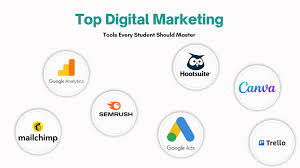
Google Analytics
This free powerhouse is a must-have. It shows website visits, user behavior, and how visitors find you. Setting up goals and custom dashboards makes tracking easier. For example, a retailer used Google Analytics to identify high-converting pages, boosting sales by 20%. Regular review helps you make quick improvements.
HubSpot Marketing Hub
HubSpot offers an all-in-one platform with tools for email marketing, automation, and analytics. It’s ideal for small to medium businesses looking for simple, effective solutions. One company improved their lead conversion rate significantly by using HubSpot’s tracking tools to personalize campaigns.
Hootsuite Insights
Managing multiple social accounts can be overwhelming. Hootsuite simplifies this with built-in monitoring. You can track engagement, mentions, and overall social health from one dashboard. Setting alerts for key metrics helps you react fast and stay on top of your brand reputation.
SEMrush
If SEO is part of your strategy, SEMrush is a top choice. It tracks your search rankings and keyword performance, and reveals competitor tactics. Regular use guides your content creation to grow organic traffic and beat rivals.
HubSpot Ads Management

HubSpot makes it easy to track paid campaigns across Facebook, Google, and more directly within its platform. By connecting ads to your overall marketing efforts, you can measure ROI and adjust strategies on the fly.
Salesforce CRM
For businesses with many contacts and sales teams, Salesforce centralizes tracking. It connects customer data with your marketing efforts, giving insights on lead nurturing and sales attribution. Better alignment means more closed deals with less guesswork.
How to Choose the Right Marketing Tracking Tools
Assess Your Business Needs
Ask yourself, what are my goals? Do I need to track website traffic, social media, or ads? Understanding your priorities will help you pick the best tools that focus on what matters most to your growth.

Consider Ease of Use and Integration
Look for user-friendly tools that connect with your existing systems. Complicated tools can slow you down. Seamless integration ensures all your data sits in one place, making analysis easier and quicker.
Budget and Cost-Effectiveness
Some tools are free, such as Google Analytics, while others offer premium plans. Think about your budget and the features needed. Is the investment worth the results? Often, a small investment pays back through better campaign performance.
Scalability for Future Growth
Choose tools that grow with you. If your marketing expands, your tools should be able to handle increased data and new channels. Picking flexible solutions saves you from switching systems later.
Scalability for Future Growth
Choose tools that grow with you. If your marketing expands, your tools should be able to handle increased data and new channels. Picking flexible solutions saves you from switching systems later.
Actionable Tips for Maximizing Your Results
- Review your tracking setup regularly—at least once a month.
- Use a combination of tools for a full picture.
- Create dashboards for quick, easy access to key numbers.
- Train your team on how to interpret data correctly.
- Use insights to run A/B tests that improve your campaigns
Conclusion
Tracking online marketing results isn’t optional—it’s a must. It turns guesswork into clear, actionable insights. Select tools that match your goals, budget, and future plans. Keep monitoring, analyzing, and adapting. This approach will help you improve ROI and stay ahead in a competitive digital world. Start today, and watch your marketing efforts become more effective than ever.
Frequently Asked Questions
Why is it important to track online marketing results?
Tracking allows you to measure what’s working, identify areas for improvement, and optimize your campaigns. Without data, you’re guessing—with data, you’re making smart decisions that boost ROI.
What are the best tools to track overall online marketing performance?
Top all-in-one platforms include:
Ubersuggest—Keyword rankings and site audits
Google Analytics 4 (GA4)—Website: website traffic, user behavior, conversion tracking
HubSpot—CRM, email, sales & marketing analytics
SEMrush/Ahrefs—SEO and competitive analysis
Google Data Studio/Looker Studio—Custom dashboards from various data sources
What tools should I use to track social media performance?
Here are some top tools:
- Meta Business Suite—Facebook & Instagram insights
- LinkedIn Analytics—In-platform stats for engagement and followers
- Hootsuite / Buffer / Sprout Social—Multi-platform scheduling & analytics
- Later—Instagram analytics with link-in-bio tools
- Metricool—Affordable all-in-one scheduler with analytics