
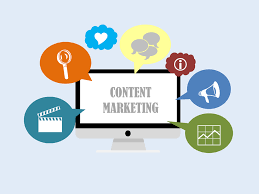
Great content is the backbone of any successful marketing plan. Without it, attracting and keeping your audience gets much harder. As online competition grows fierce, a well-planned marketing strategy becomes essential. When you continuously refine your approach, you can boost engagement, generate more leads, and build a stronger brand. The goal here is simple: I want to share proven tips to help you level up your marketing. These ideas are easy to apply and can deliver big results. Understanding Your Audience for Effective Content Marketing Defining Your Target Audience Knowing who you’re talking to is the first step. Create detailed customer personas that include age, job, interests, and pain points. Use tools like Google Analytics or social media insights to gather this data. For example, HubSpot uses specific customer personas to craft tailored for different business sizes and industries. This helps them speak directly to each audience and makes their content more appealing. Conducting Audience Research One way to stay in touch with your audience is by doing regular research. Send out surveys, listen to social media mentions, and analyze what competitors are doing. These methods reveal what your audience cares about and the problems they face. Make it a habit to check these insights often so you stay relevant. Audience needs change over time, and you should change with them. Segmenting Your Audience Splitting your audience into groups helps you deliver more personalized content. Divide based on demographics, interests, or behaviors. For instance, one email campaign could target new visitors with helpful guides, while another targets loyal customers with advanced tips. Tailored messages increase engagement and convert more readers into customers Creating Quality, Relevant Content Consistently Developing High-Value Good content answers questions, solves problems, and adds value. Use various formats like blogs, videos, infographics, and podcasts. Focus on what your audience wants to learn or see. Think beyond sales pitches; provide real solutions. For example, a fitness brand might share workout videos and nutrition tips rather than just promoting products. Implementing a Content Calendar Plan ahead with a content calendar. Decide on keywords, themes, and when to publish each piece. Use tools like Trello, Hootsuite, or Google Calendar to stay organized. Stick to your schedule. Consistency helps build trust and anticipation among your audience. If they know when to expect new content, they’ll keep coming back. Optimizing Content for SEO SEO helps your content get found on search engines. Do keyword research to find phrases your audience searches for. Use these keywords naturally in titles, headers, and throughout your content. Don’t forget on-page SEO: write clear meta descriptions, include internal links, and use descriptive headers. Tools like SEMrush or Ahrefs make it easier to optimize and track your content’s performance. Leveraging the Right Distribution Channels Selecting Effective Platforms Not every platform is right for every audience. Think about where your audience spends their time. Social media, your website, email, or industry forums might be the best spots. For B2B brands, LinkedIn often yields better results than other social networks. Knowing where your people hang out makes promotion easier. Creating a Multi-Channel Strategy Reach your audience across multiple platforms with a consistent message. Repurpose: Turn a blog post into a short video or social media clip. Use scheduling tools like Buffer or Sprout Social to save time and keep your message steady no matter the channel. This way, you create more touchpoints and increase your chances of engagement. Amplifying Reach with Paid Promotions Sometimes organic reach isn’t enough. Boost posts with paid ads on Facebook, Google, or LinkedIn. Well-targeted paid campaigns can bring new visitors and grow your audience fast. Measuring and Analyzing Content Performance Key Metrics to Track Keep an eye on metrics like engagement rates, click-throughs, bounce rates, and time spent on your page. These numbers tell you what your audience likes and what doesn’t work. Use tools like Google Analytics, HubSpot, and social media insights to gather data. Regular reviews help you spot trends and patterns. Using Data to Refine Your Strategy When you find high-performing, do more of it. If certain topics or formats get more attention, focus your efforts there. If something isn’t working, don’t be afraid to switch gears. For example, if blog posts get little traffic, try more videos or interactive quizzes. Adjust based on what the data shows. Setting Realistic Goals and KPIs Set clear, measurable goals for your content. Use the SMART framework—make goals specific, measurable, achievable, relevant, and time-bound. Review your progress regularly. If you aren’t hitting your targets, tweak your tactics. Clear goals keep your strategy sharp and focused. Embracing Innovation and Staying Trends-Forward Incorporating New Trends Keep your strategy fresh by trying new content ideas. Trends like AI-generated interactive quizzes or voice search are changing how people consume content. Follow industry blogs, attend webinars, or subscribe to newsletters to stay ahead. Being quick to adapt can give you an edge. Experimenting Formats Don’t stick to just articles. Try storytelling videos, live webinars, or even AR/VR experiences. These innovative formats can increase engagement and make your brand stand out. For example, brands that use live videos often see higher interaction and deeper connections with their audience. Learning from Competitors and Industry Leaders Audit your competitors’ to see what works. Borrow ideas, but also find ways to stand out. Your fresh take is what separates you from the crowd. Apply best practices, but don’t be afraid to do things differently. Your unique voice makes all the difference. Conclusion Improving your content marketing strategy isn’t about big changes all at once. Focus on understanding your audience, creating quality content, sharing it across multiple channels, measuring results, and trying new ideas. When you keep refining your approach based on real data and trends, results will follow. Remember, a thriving content plan is a continuous journey. Keep testing, learning, and adjusting to build stronger relationships and grow your business. Start today—your future audience awaits! FAQs: What is a content marketing strategy? A content marketing strategy is a planned approach to creating, publishing,
Category: Uncategorized
Simple Tips to Make Your Website Faster and More Mobile-Friendly
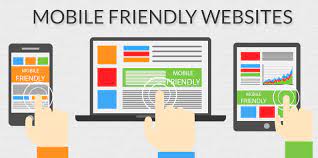
Boost your mobile site’s speed and functionality with easy tweaks anyone can do—no coding needed. In today’s world, your website’s speed and how well it works on phones matter more than ever. People don’t wait around—a second delay can make them leave. Plus, Google favors fast, mobile-friendly sites, so your rankings can drop if your site lags. If visitors have trouble using your site on a phone, chances are they’ll give up and look elsewhere. Luckily, small, easy steps can make a big difference. Let’s explore how to boost your website’s speed and make it fit perfectly on any mobile device. Why Website Speed and Mobile-Friendliness Matter The Impact on User Engagement and Retention Fast websites keep visitors happy. Did you know that just a 1-second delay can cut conversions by 7%? If your site loads slowly, people tend to bounce quickly. Some big sites have cut load times and seen their bounce rates drop, bringing more sales and longer visits. Making your site faster makes visitors stay longer and engage more. Search Engine Optimization (SEO) Benefits Google cares about speed. It now ranks mobile-friendly sites higher on search results. When Google sees your site loads quickly and adapts to mobile screens, it boosts your chances of being seen. Many businesses that optimized their websites later climbed higher in search rankings, bringing more organic traffic. Conversion and Revenue Impact A fast, mobile-optimized website turns visitors into customers. Studies show that mobile-friendly sites see increased sales. Amazon, for example, reports huge jumps in revenue when their sites load faster. Good performance isn’t just nice—it directly hits your bottom line. Conducting a Website Performance Audit Tools to Measure Speed and Mobile-Friendliness Kick off with free tools like Google PageSpeed Insights, GTmetrix, and Lighthouse. These platforms give you a report on your website’s speed and mobile usability. Focus on key metrics like load time, page size, and mobile usability scores. Understanding these helps you know what to fix. Identifying Bottlenecks and Issues Common problems include large images that slow down your site. Too many scripts or plugins can also add load time. On mobile, buttons might be too small or too close together. These issues stop users from interacting smoothly. Spot these problems early to target them first. Setting Performance Benchmarks Aim for a load time under 3 seconds. Your mobile site should be easy to use with big buttons and clear layouts. Prioritize fixing errors that have the biggest impact on user experience. Small fixes often lead to big improvements. Optimizing Website Speed Compress and Optimize Images Large images are a common villain. Use formats like WebP and enable lazy loading so images only load when needed. Tools like TinyPNG and ImageOptim help shrink images without losing quality. Smaller files make your site faster on all devices. Minimize Code and Reduce HTTP Requests Combine multiple CSS and JavaScript files into one. Remove unnecessary plugins or scripts that aren’t needed. Fewer HTTP requests mean your pages load quicker. It’s simple—the less code, the faster the site. Leverage Browser Caching and Content Delivery Networks (CDNs) Browser caching saves copies of your pages for repeat visitors. This way, they don’t have to download everything again. CDNs like Cloudflare or Akamai host your content on servers worldwide so users get data from the closest spot. This reduces delays. Improve Server Response Time Choose a hosting provider that offers fast, reliable servers. Enable GZIP compression to shrink data sent over the internet. Also, set up server-side caching if possible. These small tweaks quickly add up to faster load times. Enhancing Mobile-Friendliness Implement Responsive Design Responsive websites automatically adjust layout depending on screen size. Using frameworks like Bootstrap or simple CSS media queries helps your site look good everywhere. It’s about giving users a consistent experience, no matter their device. Optimize Touch Interactions Make sure buttons are big enough to tap easily. Space them out so users don’t accidentally hit the wrong links. Avoid hover-only menus, as they don’t work on mobile. Instead, rely on touch-friendly features for better navigation. Improve Mobile Loading Speed Reduce the amount of resources loaded on mobile. Avoid heavy scripts and large images that are unnecessary for mobile users. Focus on essential content to keep your site snappy on all screen sizes. Practical Tips for Ongoing Maintenance Regular Performance Testing Set a schedule to check your website’s speed monthly. Use monitoring tools to spot issues right away. Regular testing prevents small problems from becoming big slowdowns. Keep Content Lean and Updated Remove outdated plugins or features that aren’t useful anymore. Continually optimize images and assets as your site grows. Clean sites mean faster performance and fewer bugs. Stay Current with Best Practices Follow trusted SEO blogs and web performance updates. Investing time in learning new tips or hiring experts can keep your site ahead of competitors. Staying updated helps you adapt quickly. Conclusion Speed and mobile-friendliness are crucial for your website’s success. Visitors expect pages to load quickly and look good on their phones. Small, consistent edits can lead to major improvements in how your site performs. Make it a habit to regularly audit your website and follow best practices. When you do, you’ll provide a better experience for visitors, improve your search rankings, and boost your sales. The key is to keep optimizing—because in today’s digital world, fast and mobile-ready sites always stand out. FAQs: Why is website speed important for SEO and user experience? Fast websites load quicker, reduce bounce rates, and improve engagement. Google also considers page speed a ranking factor, especially for mobile searches What are some quick ways to speed up my website? How do I make my website mobile-friendly?
Top Tools to Track Your Online Marketing Results Easily
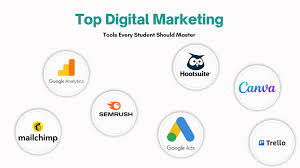
Top Tools to Track Your Marketing Performance in Real Time In today’s fast-changing digital world, knowing how your marketing efforts perform can make or break your success. Tracking results helps you see what works, what doesn’t, and where to put your money. With more tools than ever, it’s easier to get clear, quick insights—with less stress. These tools save time, boost your campaigns, and help you stay ahead. In this guide, we’ll explore the best options across different categories so you can pick the ones that fit your needs perfectly. Why Tracking Online Marketing Results Matters The Impact of Data on Campaign Effectiveness Getting real numbers from your campaigns isn’t just helpful; it’s essential. Data shows where your money is going and whether it’s paying off. When you know what’s working, you can make smarter choices—like adjusting your ad budget or sharpening your content. Companies that track their results see an increase in ROI by up to 50%, reports HubSpot. They connect the dots between marketing efforts and sales, making every dollar count. Avoiding Common Pitfalls Many marketers fall into traps like chasing vanity metrics—such as likes or followers—without real impact. They also forget to track across channels, missing out on how different platforms work together. Relying on just one metric can give a false sense of success. Having solid, comprehensive tools prevents these mistakes, ensuring you make decisions based on facts, not guesses. Essential Types of Online Marketing Tracking Tools Analytics Platforms Web analytics tools are the backbone of campaign tracking. They show how visitors behave on your site, which pages they visit, and where they come from. Plus, they track conversions and help you spot trends. Without these insights, it’s like trying to improve your marketing blindfolded. Social Media Monitoring Tools Social media is vital for outreach. Monitoring tools help you see how your posts perform, measure engagement, and identify top-performing content. You can track reach, shares, and comments across platforms like Facebook, Twitter, and LinkedIn. This ensures your message hits the right audience and sparks conversations. Email Campaign Trackers Email marketing remains a strong strategy. Email trackers measure key metrics such as open rates, click-throughs, and conversions. These insights tell you if your messages resonate, helping you improve subject lines, content, and timing. SEO and Keyword Tracking Tools Ranking on Google means visibility. SEO tools help you monitor your search position for important keywords, analyze competitors, and find opportunities for organic growth. Tracking your SEO results helps you refine your content to attract more visitors naturally. Paid Advertising Trackers Paid ads like Google Ads and Facebook campaigns need constant monitoring. Tools designed for paid advertising measure click-through rates, conversions, and ROI. You’ll learn which ads perform best and where to allocate your budget for maximum returns. Customer Relationship Management (CRM) Tools CRM systems bring all customer data into one place. They track interactions, sales, and leads through the funnel. CRMs connect marketing efforts to actual sales, giving you a complete view of your customers’ journey. Top Tools for Tracking Your Online Marketing Results Google Analytics This free powerhouse is a must-have. It shows website visits, user behavior, and how visitors find you. Setting up goals and custom dashboards makes tracking easier. For example, a retailer used Google Analytics to identify high-converting pages, boosting sales by 20%. Regular review helps you make quick improvements. HubSpot Marketing Hub HubSpot offers an all-in-one platform with tools for email marketing, automation, and analytics. It’s ideal for small to medium businesses looking for simple, effective solutions. One company improved their lead conversion rate significantly by using HubSpot’s tracking tools to personalize campaigns. Hootsuite Insights Managing multiple social accounts can be overwhelming. Hootsuite simplifies this with built-in monitoring. You can track engagement, mentions, and overall social health from one dashboard. Setting alerts for key metrics helps you react fast and stay on top of your brand reputation. SEMrush If SEO is part of your strategy, SEMrush is a top choice. It tracks your search rankings and keyword performance, and reveals competitor tactics. Regular use guides your content creation to grow organic traffic and beat rivals. HubSpot Ads Management HubSpot makes it easy to track paid campaigns across Facebook, Google, and more directly within its platform. By connecting ads to your overall marketing efforts, you can measure ROI and adjust strategies on the fly. Salesforce CRM For businesses with many contacts and sales teams, Salesforce centralizes tracking. It connects customer data with your marketing efforts, giving insights on lead nurturing and sales attribution. Better alignment means more closed deals with less guesswork. How to Choose the Right Marketing Tracking Tools Assess Your Business Needs Ask yourself, what are my goals? Do I need to track website traffic, social media, or ads? Understanding your priorities will help you pick the best tools that focus on what matters most to your growth. Consider Ease of Use and Integration Look for user-friendly tools that connect with your existing systems. Complicated tools can slow you down. Seamless integration ensures all your data sits in one place, making analysis easier and quicker. Budget and Cost-Effectiveness Some tools are free, such as Google Analytics, while others offer premium plans. Think about your budget and the features needed. Is the investment worth the results? Often, a small investment pays back through better campaign performance. Scalability for Future Growth Choose tools that grow with you. If your marketing expands, your tools should be able to handle increased data and new channels. Picking flexible solutions saves you from switching systems later. Scalability for Future Growth Choose tools that grow with you. If your marketing expands, your tools should be able to handle increased data and new channels. Picking flexible solutions saves you from switching systems later. Actionable Tips for Maximizing Your Results Conclusion Tracking online marketing results isn’t optional—it’s a must. It turns guesswork into clear, actionable insights. Select tools that match your goals, budget, and future plans. Keep monitoring, analyzing, and adapting. This approach will help you improve ROI and stay
Social Media Marketing: Strategies to Boost Your Brand’s Online Presence
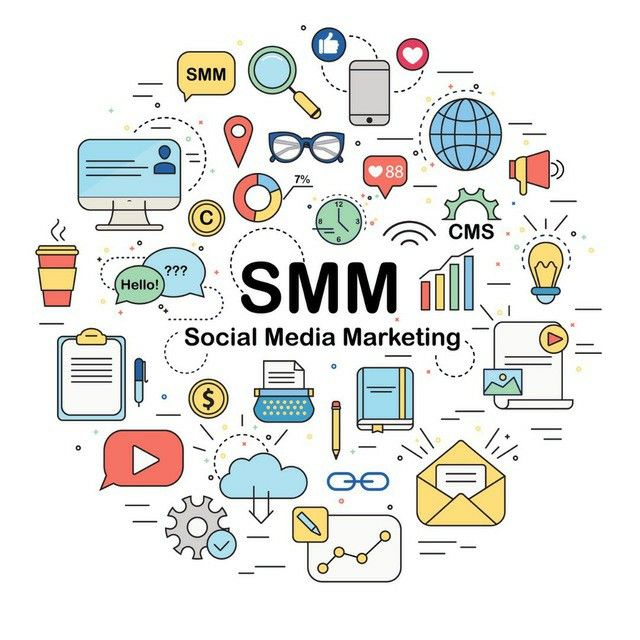
Social media marketing has become a key tool for businesses looking to reach their audience. Today, almost everyone spends hours scrolling through platforms like Facebook, Instagram, and TikTok. This shift means brands need smart strategies to stand out. When done right, social media marketing can grow brand awareness, boost customer engagement, and bring in sales. Understanding the Foundations of Social Media Marketing What Is Social Media Marketing? Social media marketing is promoting your brand on platforms like Instagram and Twitter. It involves sharing content that attracts your audience. Unlike traditional ads, social media marketing relies on interaction. It’s about building relationships and creating a voice that customers trust. The Impact of Social Media on Business Success Many brands see big results from social media. For example, businesses that post regularly and engage with followers often see higher sales and loyal customers. Data shows social media ads can reach thousands easily. When bv ‘p; Used well, platforms like LinkedIn or TikTok turn followers into buyers. Key Platforms and Their Unique Strengths Different social media sites attract different audiences and support various content types: Knowing which platform your audience uses is key to success. Developing an Effective Social Media Strategy Setting Clear Goals and KPIs Before jumping in, decide what you want to achieve. Is it more brand awareness? New leads? More sales? Use tools like Google Analytics or platform insights to track progress. Set specific numbers—like increasing followers by 20%—to measure success. Identifying Your Target Audience Understand who your customers are. Segment them by age, interests, or location. Build detailed profiles or buyer personas that help you craft content they love. The clearer your audience, the easier your message will hit home. Crafting a Consistent Brand Voice and Content Theme Keep your tone and visuals uniform across all platforms. Whether it’s playful, professional, or inspiring, consistency makes your brand recognizable. Use similar colors, slogans, and styles to strengthen your identity. Content Creation and Curation for Maximum Engagement Types of Content That Drive Engagement Content should entertain, inform, or inspire. High performers include: Tap into trending hashtags and topics to join conversations your audience cares about. Content Planning and Scheduling Use content calendars to stay organized. Plan your posts ahead of time for consistency. Posting at the right times, based on when your audience is active, increases chances of interaction. For example, dinnertime or weekends often see higher engagement. Utilizing Content Curation and User-Generated Content Sharing relevant content from followers or partners fosters community. Tools like Canva or Buffer can help find good content to share. Encourage customers to post about your brand and tag you—this acts as free advertising. Leveraging Paid Advertising and Influencer Collaborations The Role of Paid Social Campaigns Paid ads make scaling easier. You can target specific groups, like age or interests, with precision. Retargeting shows ads to users who visited your site before. Ads are affordable—small businesses can get started with just a few dollars a day. Effective Influencer Marketing Strategies Find influencers who match your brand. They should have an engaged audience that mirrors your customers. Collaborate for authentic reviews or sponsored posts. Micro-influencers, with smaller but loyal followings, often deliver better results. Measuring ROI of Paid Campaigns Track key metrics such as click-through rates, conversions, and cost per acquisition. Analyzing these helps you see which ads work best. For example, a case study might show that certain images or audiences generate more sales. Monitoring, Analyzing, and Optimizing Performance Using Analytics Tools Platforms like Facebook Insights, Instagram Analytics, or third-party tools like Hootsuite give detailed reports. Monitor engagement, reach, and conversions regularly. Seeing what’s working allows you to refine your approach. Listening to Audience Feedback Pay attention to comments, reviews, and messages. Responding quickly builds trust. If followers suggest improvements or ask questions, use their input to adapt your content plan. Continuous Improvement Through A/B Testing Try different content formats, captions, or ad styles. Test one element at a time to see what resonates. Small tweaks, like changing a headline or image, can boost performance significantly. Future Trends and Innovations in Social Media Marketing New platforms and tech are shaping future strategies. Augmented reality (AR) and virtual reality (VR) offer immersive experiences. AI tools help create personalized content faster. Social shopping is making it easier for users to buy directly from social posts—the rise of shoppable posts is shaping e-commerce. Authentic stories and brands that stand for something tend to build stronger bonds with customers. Conclusion Social media marketing yields real results when strategic planning meets consistent effort. Focus on setting clear goals, understanding your audience, and creating engaging content. Keep analyzing data and adjust tactics as algorithms change. When you stay flexible and respond to trends, your brand can grow faster than you imagined. Use social media as a tool to connect, inspire, and turn followers into loyal customers. FAQ (Frequently Asked Questions) What is social media marketing? Social media marketing (SMM) is the use of platforms like Facebook, Instagram, LinkedIn, TikTok, and X (Twitter) to promote a brand, engage with an audience, and drive traffic, leads, or sales. It includes content creation, community management, advertising, and analytics. Which platforms should my business be on? It depends on your audience and goals. . How often should I post on social media? Consistency matters more than frequency, but a general rule is
Google Ads: The Ultimate Guide to Boosting Your Business Revenue
Google Ads is one of the most powerful tools for online marketing today. With it, your business can reach thousands of potential customers quickly. Every day, Google handles over 3.5 billion searches. That’s a massive audience just waiting for your message. This guide is designed to give you practical tips for creating successful Google Ads campaigns that bring in real results. Understanding Google Ads and Its Benefits What is Google Ads? Google Ads is an advertising platform where you pay to show ads across Google’s network. It includes search ads that appear when people search for specific words, display ads on websites, video ads on YouTube, shopping ads for e-commerce, and app ads for mobile downloads. The platform works on a pay-per-click (PPC) model, meaning you only pay when someone clicks your ad. Why Use Google Ads? Google Ads gives your business immediate visibility on Google and partner sites. It helps you target specific audiences based on location, interests, and search behavior. Plus, it’s easy to measure your ROI since you see exactly what each ad costs and how many sales or leads it brings in. Studies show that businesses using Google Ads report an average conversion rate of around 3-5%, with many seeing a return on investment in just a few weeks. Key Features of Google Ads Google Ads offers several tools to maximize your campaign’s effectiveness. You can target keywords, add ad extensions like phone numbers or links, and refine your audience settings. Bidding strategies help you control how much you spend per click. Integration with Google Analytics gives you a full picture of how your ads perform and helps you make smarter decisions. Setting Up a Successful Google Ads Campaign Defining Campaign Goals Start by deciding what you want your ads to do. Do you want to increase brand awareness, capture leads, or drive sales? Clear goals help shape your campaign. Use SMART criteria—Specific, Measurable, Achievable, Relevant, and Time-bound—to set realistic targets. Conducting Keyword Research Find the right words to attract customers. Tools like Google Keyword Planner, SEMrush, and Ahrefs make it easy to discover popular search terms. Focus on high-intent keywords—those that show the user is ready to buy or take action. For example, instead of “shoes,” use “buy running shoes online.” Creating Effective Ad Copy Your ads should grab attention fast. Start with a catchy headline and include a clear call to action. Be specific and use keywords naturally. Keep descriptions concise but compelling. The goal is to make users want to click immediately. Designing Landing Pages for Conversion Once people click your ad, they should land on a page that matches their expectations. Make it simple, relevant, and easy to navigate. Test different layouts and content—A/B testing—so you can find what works best. Clear buttons and fast loading times boost conversions too. Campaign Optimization and Management Bidding Strategies and Budget Allocation Choose between manual bids, where you set individual bids, or automated bidding, which uses AI to optimize costs. Set your daily budget based on your goals—more for big campaigns, less for testing. Monitor how your spending translates into results and readjust as needed. Using Ad Extensions Effectively Add extras to your ads to improve visibility. Sitelinks can take users to different pages, callouts highlight offers, and call extensions enable direct contact. These additions not only improve your ad’s appearance but also increase click-through rates. Monitoring and Analyzing Campaign Performance Track key metrics like click-through rate (CTR), cost per click (CPC), Quality Score, and conversion rate. Use Google Analytics and Google Ads reports to understand what’s working and what’s not. Adjust your campaigns based on this data. v Continual Optimization Tactics Don’t set and forget. Regularly test new keywords and ad copy. Use negative keywords to exclude irrelevant traffic. Adjust bids based on device type, location, and selling hours to get the best results without overspending. Advanced Google Ads Strategies Remarketing Campaigns Remarketing helps target users who already visited your site. Show tailored ads to keep your brand top of mind. For e-commerce, dynamic remarketing can display specific products users viewed, encouraging them to return and buy. Audience Targeting and Custom Audiences Create segments based on user behaviors, like visitors who added items to their cart but didn’t buy. Use in-market audiences that are actively researching products similar to yours or affinity audiences that match their interests. Using Automation and AI Features Google offers smart campaigns that automate much of the campaign management process. Automated bidding uses machine learning to adjust bids for the best possible results. These tools save time and often improve performance. Integrating Google Ads with Other Marketing Channels Combine Google Ads with social media, email, and content marketing for a full approach. Track conversions across platforms to get a complete picture of your marketing ROI. This way, every channel supports your overall goals. Conclusion Google Ads can transform your business by offering precise targeting and measurable results. To succeed, stay consistent with testing, analyze your data, and adapt your strategies regularly. Keep up with platform updates, and don’t be afraid to experiment. Starting or optimizing your Google Ads campaign today can lead to steady growth and more revenue. Take action now and watch your business thrive. f Frequently Asked Questions What is Google Ads, and how does it work? Google Ads is an online advertising platform by Google where you can create paid ads to appear in search results, YouTube, Gmail, and across millions of websites. You only pay when someone clicks your ad (PPC—pay-per-click). 2. Can Google Ads really help grow my business revenue? Yes! With the right strategy, Google Ads can drive targeted traffic to your site, generate leads, and convert visitors into paying customers—often delivering fast and measurable ROI.
SEO Strategies, Techniques, and Best Practices Search Rankings
Search Engine Optimization (SEO) is the key to getting your website noticed online. It helps your site show up higher in search results—more visibility means more visitors and more chances to grow. As search engines like Google change their rules, staying on top of SEO strategies is more important than ever. This article dives into everything you need to know about SEO—how it works, how to improve it, and how to stay ahead of the competition. Understanding SEO: The Foundation of Digital Success What is SEO and Why It Matters SEO stands for Search Engine Optimization. It’s all about making your website attractive to search engines so they rank it higher in results. Better rankings lead to more website visitors, which can bring in more customers and boost your revenue. In a busy online world, SEO is vital for standing out among your competitors. How Search Engines Work Search engines like Google crawl the web by visiting websites and collecting information. They then analyze this data and decide where your site should appear when someone searches for related keywords. The process involves three main steps: Imagine Google as a giant librarian. It sorts through billions of pages to find the most relevant books—your website included—then displays those first when someone searches. The Components of SEO SEO isn’t just one thing. It combines three main parts: Knowing how these pieces work together can help you develop a well-rounded SEO strategy. Keyword Research: The Cornerstone of Effective SEO Why Keywords Are So Important Keywords are the words and phrases people type into search engines. Choosing the right keywords helps your website appear where your audience is looking. When aligned with their intent, keywords can dramatically boost your search rankings. The Best Tools for Finding Keywords Start by using tools like Google Keyword Planner, SEMrush, or Ahrefs. These help you spot How to Use Keywords Effectively Place your keywords carefully—include them in page titles, headers, and URL slugs. Avoid stuffing keywords into your text, as it looks spammy and can hurt your rankings. Keep an eye on how your keywords perform and tweak your strategy based on results. On-Page SEO: Optimizing Content for Search Engines Create Content That People Want Your content should be both helpful and easy to read. Use clear headlines, short paragraphs, and bullet points. Craft catchy titles and meta descriptions that make people want to click. Remember, search engines favor useful content that answers users’ questions. Structuring Your Site Use headers (H1, H2, H3) to organize your content. Internal links between pages improve navigation and help search engines understand your site’s structure. Make sure your site hierarchy is simple and logical for both users and crawlers. Using Visuals Images, videos, and infographics break up text and boost engagement. Don’t forget to add descriptive alt text to images—this helps search engines understand what your visuals show and improves accessibility. Fast-loading pages keep visitors happy and boost your SEO. Off-Page SEO: Building Your Website’s Authority Earning Quality Backlinks Backlinks from reputable sites are like votes of confidence. Create great content that others want to link to. Reach out to industry partners or influencers for collaboration. Avoid shady tactics that could get you penalized, like buying links. Backlinks from reputable sites are like votes of confidence. Create great content that others want to link to. Reach out to industry partners or influencers for collaboration. Avoid shady tactics that could get you penalized, like buying links. The Power of Social Media Social signals—likes, shares, and mentions—also influence SEO. Building an active presence on platforms like Facebook, Twitter, and LinkedIn can help boost your brand and drive traffic to your website. Managing Your Reputation Encourage happy customers to leave positive reviews. Respond professionally to complaints or negative feedback. A trustworthy reputation can improve your visibility in local searches and overall rankings. Technical SEO: Ensuring Your Site Is Healthy Make Your Site Crawl-Friendly Ensure that search engines can easily find and index your pages. Use robots.txt to control what they see, and submit XML sitemaps to guide crawlers. Fix any broken links or crawl errors quickly. Mobile Optimization Most searches happen on phones. Use a responsive design that adapts to all screens. Test your site with tools like Google’s Mobile-Friendly Test. A smooth mobile experience boosts your chances of ranking higher. Improve Speed and Security Fast websites keep visitors happy—Google does, too. Use tools like Google PageSpeed Insights to find speed issues. Switching to HTTPS with an SSL certificate protects your site and signals trustworthiness to search engines. Monitoring, Analytics, and Continuous Improvement Track Your Progress Use Google Analytics and Search Console to check your traffic, bounce rate, and keyword rankings. Fresh data reveals what’s working and what isn’t, guiding your next moves. Conduct Regular Audits Perform SEO audits periodically to find and fix problems with your site. This keeps everything running smoothly and ensures you stay aligned with the latest best practices. Stay Informed SEO rules change often. Follow industry blogs, attend webinars, and stay updated on algorithm updates. Adapting quickly keeps your rankings safe and steady. Conclusion Getting your website to rank high in search results takes effort, but it’s well worth it. Focus on quality content, technical health, and building trust through backlinks and social signals. SEO is an ongoing process—keep learning, experimenting, and improving. When done right, your site will attract more visitors, generate leads, and grow your business. Start today, and watch your search rankings
Best Website Design to Elevate Your Brand
Creating a professional website isn’t just about looking good. Today, your site is often the first thing people see when they find your business. A well-designed website builds trust, makes it easy for visitors to find what they need, and helps boost your sales. Partnering with top design companies can give you a real edge over your competitors. These firms understand current design trends, user needs, and how to make your brand stand out online. The right team can transform your website from a simple page into a powerful tool that elevates your brand and attracts loyal customers. Why Choosing the Right Website Design Company Matters The Impact of Excellent Design on Brand Perception A website is your brand’s face online. Visitors judge your credibility within seconds based on how your site looks and works. If your website is slow, cluttered, or hard to use, visitors leave quickly. Studies show that a polished, professional site increases trust and leads to more conversions. Clear, attractive design builds confidence, making visitors more likely to become buyers or loyal followers. Benefits of Professional Website Design A good website offers many advantages. It improves user experience, meaning visitors can find what they want easily. This keeps them engaged longer and encourages sharing. Plus, a professionally made site is optimized for search engines, helping you rank higher on Google. It also works well on phones and tablets, making your brand accessible anywhere. Accessibility features ensure everyone, including those with disabilities, can navigate your site smoothly. Common Mistakes When Selecting a Design Partner Choosing the wrong one can cost you. Many rush into projects without checking portfolios or industry experience. Some underestimate how important support and updates are after launching. Some choose based on cost alone, risking poor quality or hidden fees. Picking a cheap option might save money initially but could lead to bigger costs later, especially if the site doesn’t meet your needs. Top Criteria for Evaluating Website Design Companies Proven Portfolio and Industry Experience Always review a company’s past work. Look at their portfolio to see if their style matches your vision. Check if they’ve worked with businesses similar to yours. Experience in your niche means they understand what your target audience expects from your website. Design Quality and Creativity Your site should look fresh and reflect your brand identity. Top companies bring innovative ideas and consistent branding. They focus on visual storytelling, which helps tell your brand’s story in an engaging way. Visitors should feel drawn in and excited about your content. Client Support and Communication Clear, honest communication is key. You want a team that keeps you in the loop during every stage of the project. Good support doesn’t stop once your site launches—they should help with updates, fixes, and scalability. Pricing and Value Proposition Compare quotes carefully. Know exactly what’s included in each package. Watch out for hidden costs or services that aren’t necessary. A higher price often means better quality and support—so focus on value, not just the lowest price. What Is a Landing Page? A landing page is a standalone web page designed specifically for a marketing or advertising campaign. It’s where a visitor “lands” after clicking on a link in an email, ad, or other digital location. Unlike a homepage, which offers multiple paths and distractions, a landing page has a single, focused objective—like collecting email leads, selling a product, or registering for an event. Think of it like a salesperson with a laser focus. There’s one goal, one audience, and one message. The entire design and copy on the page are crafted to drive users toward that one goal—whether that’s signing up, purchasing, or filling out a form. How to Choose the Best Website Design Your Business Define Your Goals and Budget Before searching, clarify what you want your website to do. Is it for sales, branding, or lead generation? How much are you willing to spend? Knowing these details helps narrow your options and find a partner that fits your needs. Conclusion of Website Design to Elevate Your Brand Partnering with a top website design company is one of the best ways to boost your brand’s online presence. Look for experience, creativity, technical expertise, and good communication. Doing thorough research and asking the right questions will help you find the perfect fit. A well-designed website isn’t just a pretty page—it’s a powerful tool to grow your business. Investing in quality now pays off many times over in trust, visibility, and sales. Start your search today and take the first step toward a website that truly elevates your brand. FAQs Why is website design important for my brand? Website design is the first thing people notice when they visit your site. A well-designed website builds trust, reflects your brand’s quality, and helps turn visitors into customers. What makes a website “brand-friendly”? A brand-friendly website uses your brand’s colors, logo, fonts, and style consistently. It tells your story clearly, gives a great user experience, and makes your business look professional and reliable. How does a good website design help my business grow? A great design makes it easy for customers to find information, contact you, and trust your services. It increases engagement, keeps people on your site longer, and improves your chances of getting leads or sales.
Digital Marketing Services to Boost Your Local Business Online
In today’s digital world, being online isn’t a luxury—it’s a necessity. Whether you own a small shop, salon, clinic, or any service-based business, your customers are already searching for you online. But if they can’t find you, they’ll find your competitors. That’s where digital marketing services come in. With the right digital strategies—like SEO, social media marketing, Google Ads, and local branding—you can reach more people, increase your visibility, and turn online users into loyal customers. Boosting your local business online means building trust, showing up in the right places, and creating real connections with your community—24/7. It’s affordable, measurable, and more effective than traditional marketing. If you’re ready to grow, digital marketing is your shortcut to success. Why Digital Marketing Is a Game-Changer for Local Businesses Unlike traditional marketing (like flyers or newspaper ads), digital marketing gives you real-time results, precise targeting, and cost-effective solutions. Whether you’re in a town, city, or semi-urban area, your business can benefit from a strong online presence How Digital Marketing Helps Your Local Business Grow Reach Local Customers Where They Are Your customers are already browsing on Google, Facebook, Instagram, and YouTube. Digital marketing helps your business show up where they’re looking—right when they need your service. Increase Visibility on Search Engines With Search Engine Optimization (SEO), your business can appear on the first page of Google when people search for things like “best beauty salon near me” or “mobile shop in [your city].” Build Trust with Online Reviews & Social Proof Customers trust what they see online. A well-managed Google Business Profile, good reviews, and active social media pages help you build credibility and trust. Connect Directly with Customers Through WhatsApp, SMS marketing, and email campaigns, you can stay in touch with your customers—send them offers, updates, and personalized messages. Target the Right Audience with Paid Ads Using Google Ads and Facebook Ads, you can target people by location, age, interest, and behavior. This means less money wasted and more leads generated. Popular Digital Marketing Services for Local Businesses Service What It Does Why It Helps SEO (Search Engine Optimization) Improves your Google rankings Helps local customers find you Social Media Marketing Promotes your business on Facebook, Instagram, etc. Builds brand and customer loyalty Google Ads (PPC) Paid advertising on search engines Brings fast and targeted traffic Website Design Builds your online presence with a clean, mobile-friendly site Builds trust and professional image WhatsApp & SMS Marketing Sends messages/offers directly to customers’ phones High engagement and conversions Content Creation Blogs, captions, videos, reels, and creatives Educates and entertains your audience Branding & Graphics Logos, posters, flyers, digital banners Builds strong brand identity Real Benefits You Can Expect More customer inquiries (calls, messages, store visits) Strong online presence in your local area Higher trust and credibility Increased word-of-mouth through social shares Better customer relationships Digital marketing offers powerful tools to grow your business—whether it’s local, national, or global. Here are some of the most important. Take Your Local Business to the Next Level Digital marketing isn’t just for big brands—it’s for every local business that wants to grow. Whether you’re in a small town or busy city, showing up online is the key to attracting more customers and staying ahead of your competition. Start now. Go digital. Grow local. Frequently Asked Questions (FAQs) What is digital marketing? Digital marketing is the process of promoting your business online using platforms like Google, Facebook, Instagram, YouTube, websites, email, and more. It helps you reach more customers and grow your brand. How can digital marketing help my local business? Digital marketing helps your business get found online by people searching in your area. It increases visibility, brings more calls, website visits, and store walk-ins, and builds trust with potential customers. What services are included in digital marketing? Common digital marketing services include Is digital marketing expensive? No, digital marketing is flexible and can fit any budget. You can start small and increase your investment as your business grows. It’s more cost-effective than traditional marketing like newspapers or TV ads.
The Future of Digital Marketing: What Trends Will Shape the Next 5 Years
Digital marketing moves faster than ever. New tech, changing consumer habits, and fresh platforms come up every year. If you’re not paying attention, you risk falling behind. Staying ahead means knowing what trends will shape the next five years. Here’s a look at what’s on the horizon and how you can prepare. The Rise of Artificial Intelligence and Machine Learning in Digital Marketing How AI is Transforming Consumer Data Analysis AI is changing how marketers understand customers. Instead of guessing what people want, AI tools collect data automatically. They analyze patterns quickly and provide insights you can act on. Predictive analytics then help personalize messages for each person, increasing the chances they’ll engage AI-Powered Content Creation and Optimization With AI, creating content at scale is now possible. Tools draft social posts, blogs, and emails that match your tone. These platforms also optimize headlines, keywords, and layouts for better user experience. As a result, your content becomes more relevant and easier to find. Chatbots and Virtual Assistants in Customer Engagement Sephora uses a chatbot that helps users pick makeup shades. It’s available 24/7 and guides buyers smoothly. This has increased sales and customer satisfaction. Expect AI-powered chatbots to get smarter, handling complex questions and delivering personalized service without needing humans. The Expansion of Voice Search and Conversational Interfaces The Growing Adoption of Voice-Activated Devices Smart speakers like Amazon Echo and Google Home are everywhere. Over 50% of households now use voice search regularly. This change means your website must adapt to voice habits. How? Focus on spoken language and long-tail keywords that match how people really talk. Optimizing Content for Voice Search Create content that answers questions directly. Use natural phrases and include FAQs. Structure articles to match voice responses and try to get featured snippets. People ask questions in a conversational way, so your content should sound like a chat. Real-world Examples and Case Studies Beauty brands like Sephora use visual search to let customers try on makeup virtually. Furniture stores provide AR tools for showing how pieces fit in your space. These companies lead because they make shopping easier and more fun through voice and visual tech. The Expansion of Video and Interactive Content The Continued Dominance of Video Content Videos grab attention like nothing else. Platforms such as TikTok, YouTube, and Instagram keep pushing video content at users. Short clips, tutorials, and behind-the-scenes videos work well to attract various age groups. Creating engaging, snackable videos keeps your audience hooked. Interactive Content to Boost Engagement Interactive content pulls users in actively. Quizzes, polls, AR experiences, and 360 videos invite participation. For instance, a quiz can recommend the best product for each customer. These experiences increase brand recall and make customers more likely to buy. Impact on Conversion Rates and Brand Recall Studies show interactive videos boost conversions by up to 70%. When customers feel involved, they trust your brand more. Interactive content makes your message memorable, leading to higher sales and loyal fans. Data Privacy, Ethics, and Regulatory Changes Navigating New Data Privacy Laws Laws like GDPR and CCPA mean brands must handle data carefully. Respect privacy, be transparent, and get clear consent. Non-compliance risks fines and losing trust. Building a privacy-first approach helps maintain long-term relationships. The Role of Augmented Reality and Virtual Reality AR and VR as Marketing Tools AR and VR let brands create immersive experiences. Think virtual try-ons for clothes or furniture. Brands like IKEA let customers see how products look in their homes. These tools turn passive browsing into active engagement. Future Trends and Potential Developments Advances in AR and VR will bring even more options. Imagine virtual shopping malls or branded AR games. As technology becomes cheaper and more realistic, expect these tools to become common. They’ll reshape how shoppers interact with brands. Conclusion The future of digital marketing holds big changes. AI, voice and visual search, videos, and AR/VR are shaping how brands connect with consumers. Staying flexible and eager to learn new tech is crucial. The brands that adapt fastest will win loyalty and growth. Keep learning, experimenting, and listening to your audience. That’s how you stay ahead in this constantly changing game. Frequently Asked Questions (FAQs) What is the future of digital marketing? The future of digital marketing lies in personalization, automation, data privacy, and immersive experiences. AI-driven tools, voice search, and decentralized platforms like Web3 will revolutionize how brands engage with consumers over the next five years. What are the top digital marketing trends for 2025 and beyond? How will AI impact digital marketing in the next 5 years? AI will automate campaign management, personalize content at scale, power predictive analytics, and transform customer service via smart chatbots. It will save time, increase ROI, and enhance user experience. Will digital marketing still be relevant in 2030? Yes. Digital marketing will evolve but remain essential. By 2030, we’ll see smarter algorithms, immersive AR/VR campaigns, and greater consumer control over data and content experiences.
How We Helped a Brand Grow in Online
Welcome, business owners! Grow your brand at Online. I am helping you with detailed information. Nowadays, every business grows in the digital world, showing up. Brand’s came to us with a simple goal—to grow online and reach the right audience. They had passion, a strong offline reputation, or a great product. But their digital presence? Almost invisible. Now our journey begins. We didn’t just start with ads or promotions. First, we listened. We understood their values, audience needs, and business goals. Then we crafted a step-by-step digital strategy—built not just to attract clicks, but to create lasting connections. We implemented SEO techniques to make sure they showed up in search results and created content that people wanted to read, share, and follow. What challenges did the brand face before going online? Before going online, the brand faced several key problems that limited its growth and visibility. Despite having a strong product and loyal offline customers, they struggled to reach a wider audience. Don’t worry, now help with social media & digital marketing strategies. The Initial Pain Points in Their Online Presence We took over the project; the brand had a basic website, a few blog posts, and some paid ads running. But here were the immediate issues: Clearly, we weren’t starting from zero—we were starting from below zero. But this is where great digital growth stories begin . Difference Between Online and Offline Branding I am the heartbeat of your business. Whether you’re selling handmade crafts or running a global tech empire, how your brand is perceived directly influences your success. Today’s marketplace is hyper-competitive and fast-moving; what helps you carve out a unique identity? Branding isn’t just about a logo or tagline—it’s the way people feel when they hear your name or use your product. And in our tech-driven world, branding has split into two dominant strategies: online and offline branding. Each has its strengths, weaknesses, and strategic value. Discover how boosting engagement led to increased conversions and stronger loyalty. Actionable tips included. Traditional Channels and Tactics Branding is how your business is perceived by the world. It’s your identity, your voice—and in today’s fast-paced, tech-driven world, branding plays out in two major arenas: online and offline. Both forms are vital, but they work differently, have different strengths, and serve distinct purposes. If you’ve ever wondered what sets online apart from offline—or how to leverage both to build a powerhouse—you’re in the right place. What is offline branding? “Offline” refers to all the strategies that happen away from the internet. Think of it as your brand’s real-world presence. It’s old-school in the best way—tactile, tangible, and rooted in face-to-face interaction. These methods have been around for decades and still hold weight in industries like retail, real estate, and manufacturing. What is online branding? Digital Platforms and Online Strategies Online takes place in the digital world—where screens, clicks, and content rule. It’s how you show up in search results, on social media, through email campaigns, and via your website. The power of online lies in its flexibility, reach, and data-driven nature. Conclusion: Real Growth Starts with the Right Strategy Branding—whether online or offline—is the soul of your business. It’s how you tell your story, how you earn trust, and how you create a lasting impression in the hearts and minds of your audience. While online offers speed, flexibility, global reach, and deep analytics, offline delivers tangible, emotional, and memorable experiences that can create deep-rooted connections FAQs; What were the first steps taken to improve their online presence? A: We started by building a clear digital identity—creating a responsive website, defining definingvoice, and setting up social media profiles. This laid the foundation for long-term digital growth. What was the biggest transformation for the brand? A: Beyond traffic and sales, they evolved in reputation. It shifted from being a local name to a trusted one, finding its niche with a loyal online community. What services did Pallavi Digital Hub provide to help it grow? We offer full digital marketing services.